
Portuguese
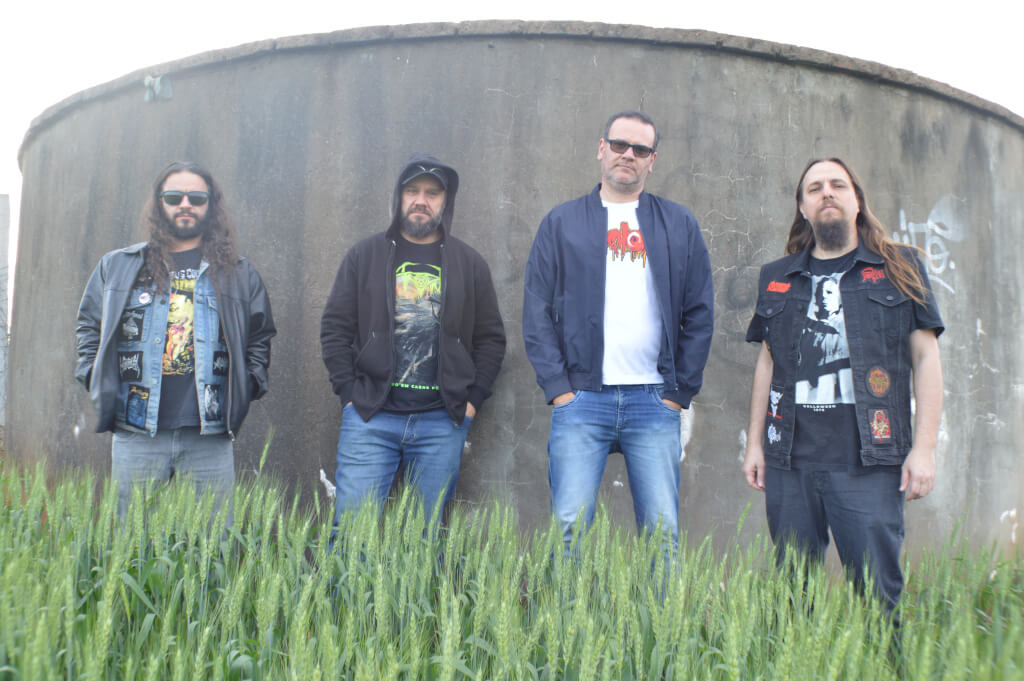
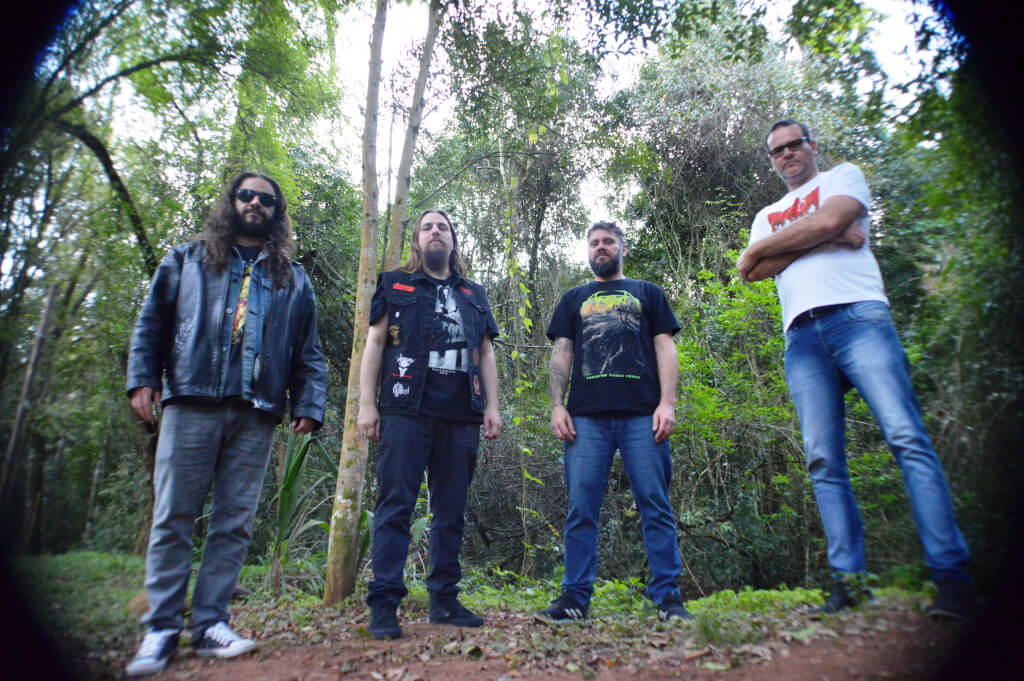
Harmonia nunca foi o forte da humanidade. Guerras, desigualdade, exploração e a falência da empatia moldam o mundo — e é dessa matéria podre que nasce a Harmony Fault, diretamente de Lajeado (RS).
Ativa desde 2002, a banda construiu sua trajetória no underground com um goregrind visceral, sujo e sem concessões, incorporando elementos do death metal e distorções do rock tradicional, sempre filtrados por uma estética splatter que vai além do choque: a música da Harmony Fault também reflete conflitos reais, tensões sociais e a própria deterioração humana.
A estreia veio com a demo Pedaços de Carne Podre (2002), já estabelecendo o direcionamento temático e sonoro. Desde o início, a banda transitava entre o gore explícito e reflexões mais profundas sobre a condição humana, como nas faixas “Comendo Lixo” e “Vida/Sem/Volta”.
Nos anos seguintes, a banda passou por mudanças de formação e evolução musical, com destaque para o EP Sangue e Vísceras (2004), que trouxe uma abordagem mais próxima do death metal e ampliou o escopo temático do grupo. Além da estética gore, a banda já incorporava elementos de crítica social e política, como na faixa “Sangue e Vísceras nas Areias da Babilônia”, inspirada na Guerra do Iraque de 2003. Ao evocar a Babilônia — berço de uma das primeiras civilizações da humanidade, situada no território do atual Iraque — a música estabelece um contraste entre origem e colapso, passado e presente, reforçando a ideia de que a violência humana atravessa diferentes eras. A composição também evidencia a continuidade criativa da banda, sendo posteriormente regravada no álbum Savage Horror Dementia (2014), sob o título reduzido “Sangue e Vísceras”. Ainda nesse período, destacou-se a faixa “Taxi Driver”, inspirada no clássico do cinema.
Inserida no circuito underground desde cedo, a Harmony Fault participou de splits, festivais e dividiu palco com nomes importantes da cena extrema como Stoma, Agathocles e Riistetyt, consolidando sua presença no cenário nacional.
A partir de 2008, a banda mergulhou definitivamente no goregrind mais cru, impulsionada por mudanças na formação e pela consolidação de uma identidade ainda mais extrema. Essa fase resultou em uma sonoridade mais direta, rápida e grotesca, alinhada às raízes do gênero.
Mesmo enfrentando as limitações do underground brasileiro, a banda manteve sua atividade e lançou o primeiro álbum completo, Rotting Flesh Good Meal (2011), seguido por Savage Horror Dementia (2014), que ampliou a brutalidade sonora e consolidou ainda mais a identidade da Harmony Fault. O álbum conta com 18 faixas, incluindo regravações e um cover da banda sueca Regurgitate, além de um videoclipe oficial para a faixa-título, marcando também a presença da banda no formato audiovisual.
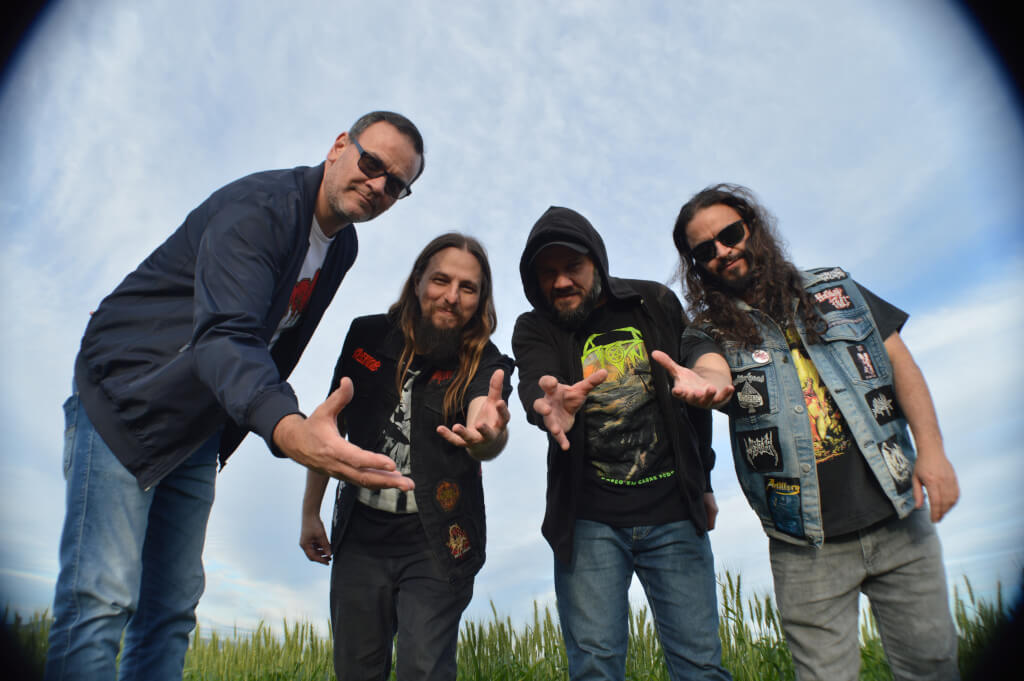
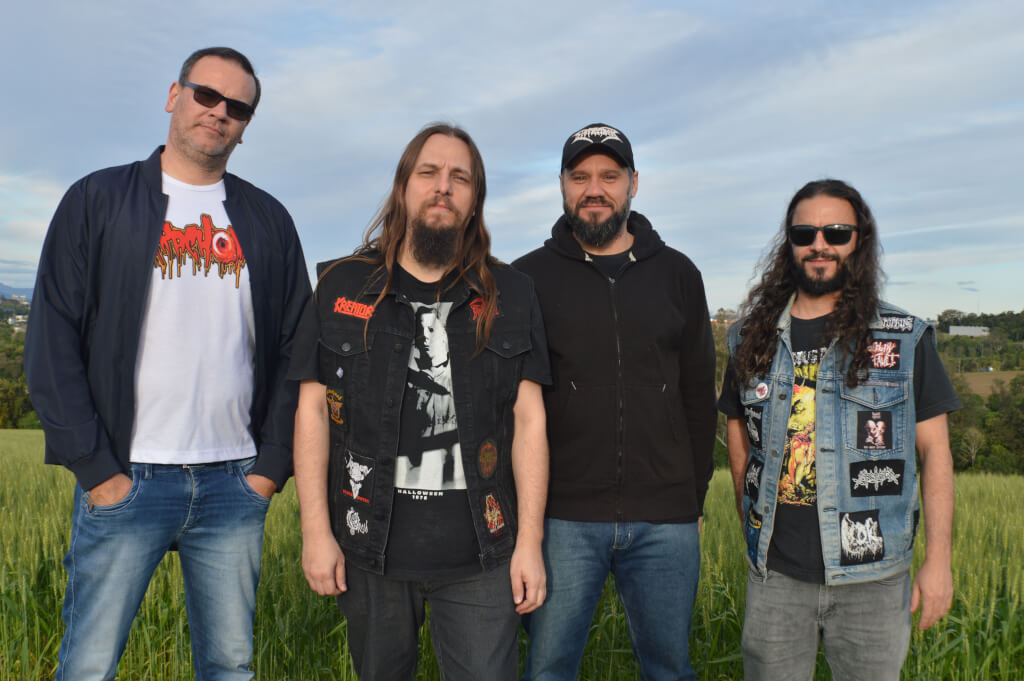
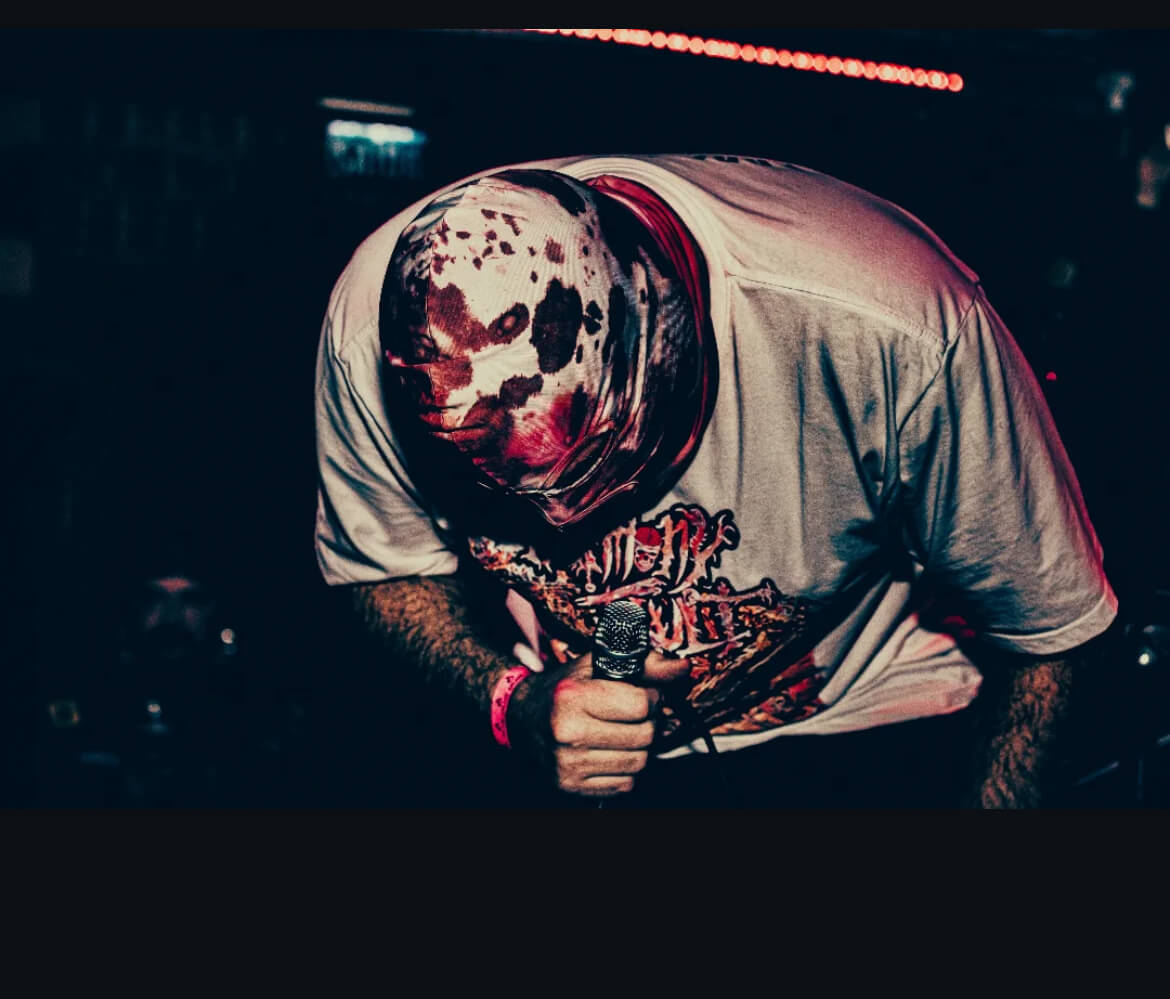
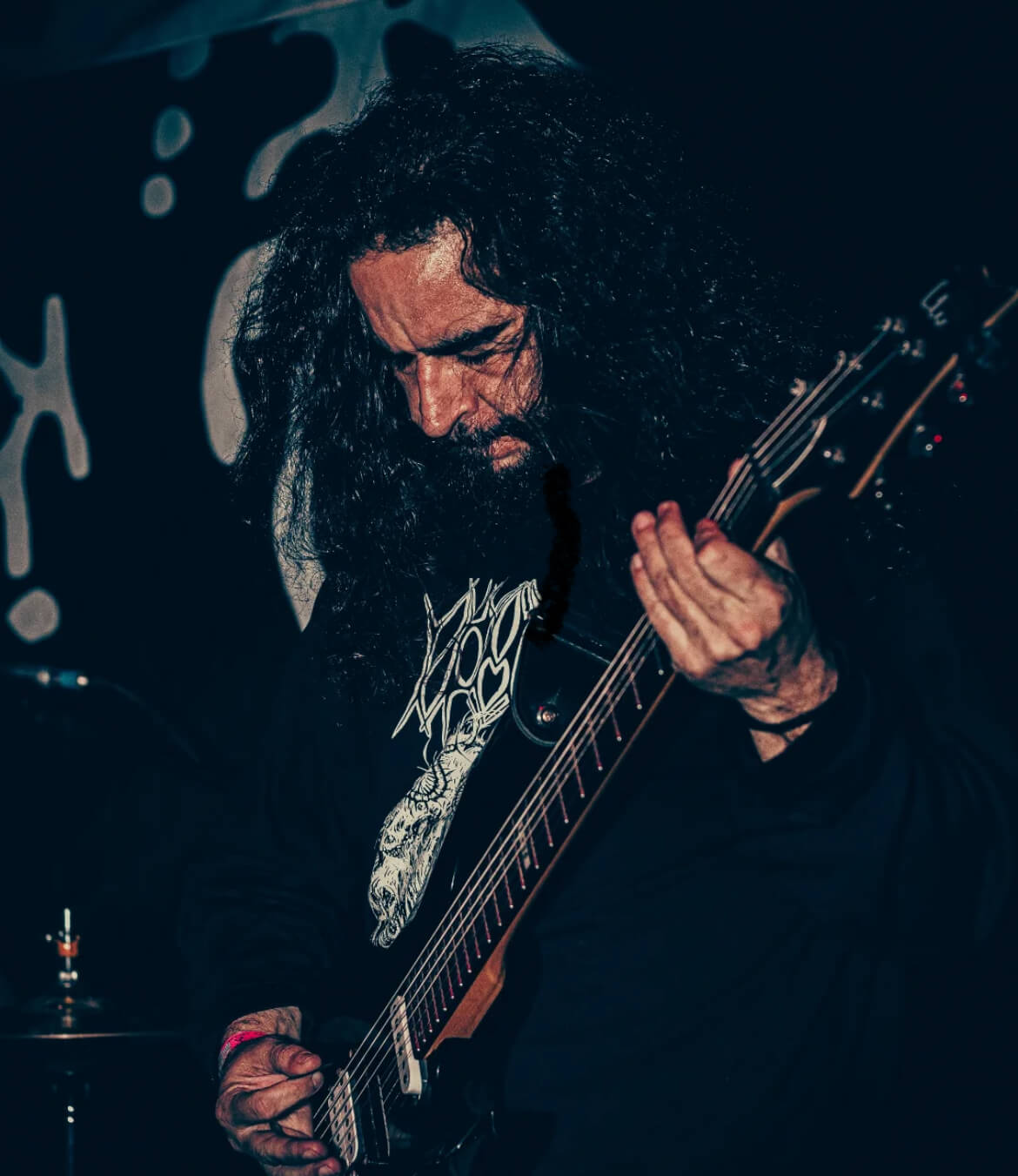
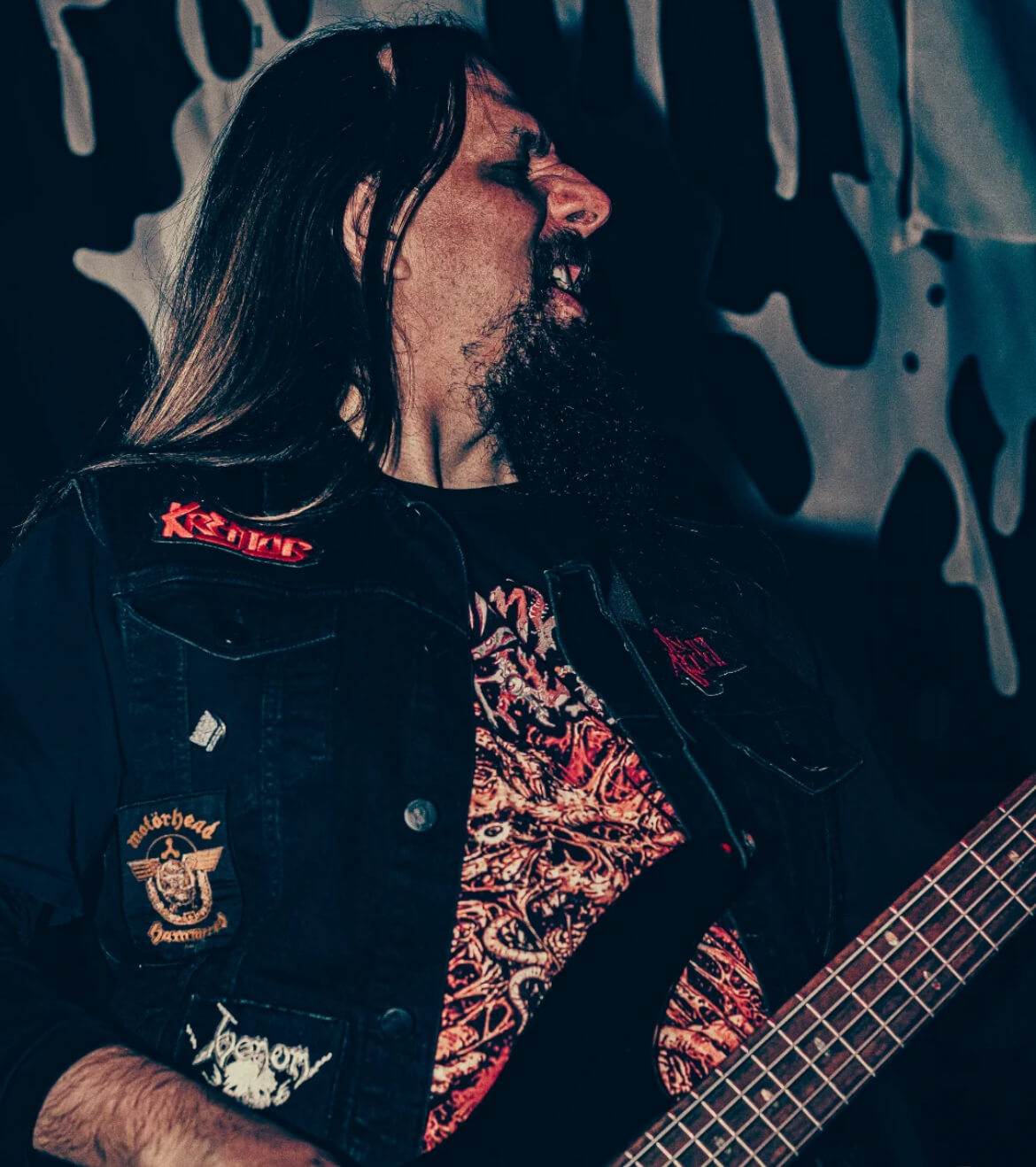
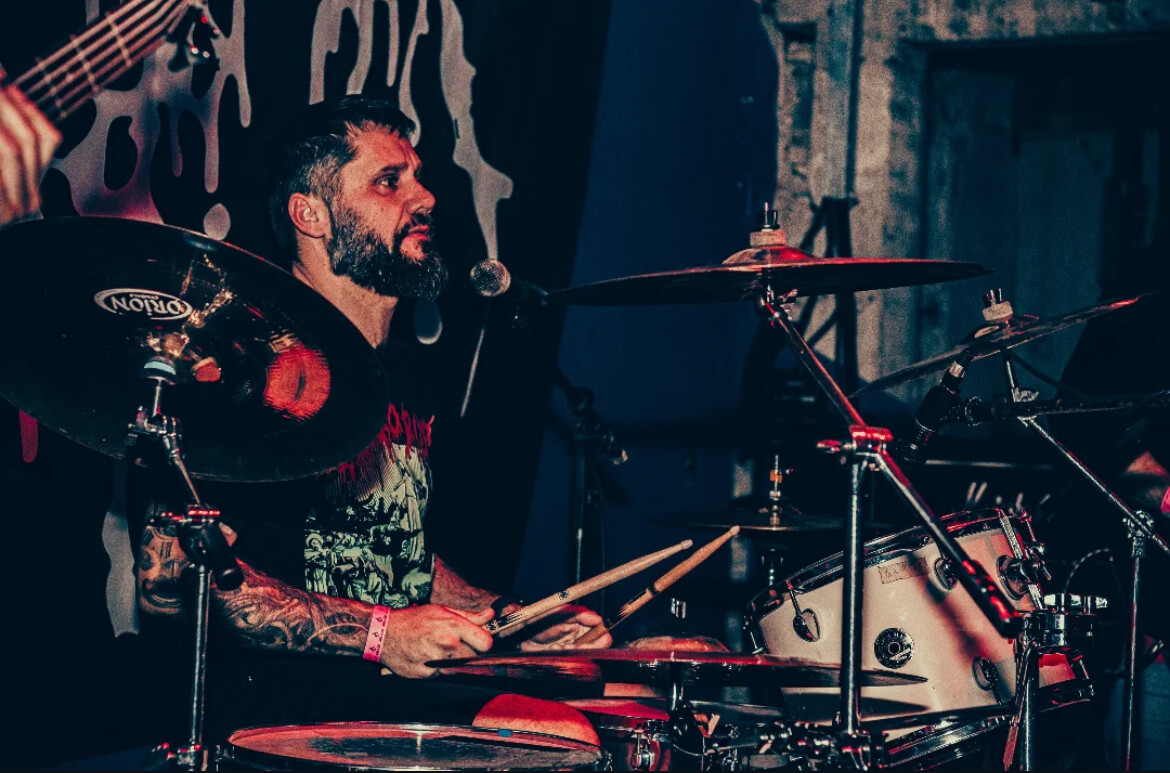
Nos anos seguintes, a banda seguiu ativa com lançamentos e apresentações ao lado de nomes como Gutalax e Pulmonary Fibrosis. Em 2018, a formação se consolidou como quarteto com a entrada do baixista Monteiro, permitindo que Guilherme se dedicasse exclusivamente aos vocais.
A relevância da banda dentro da cena também ultrapassou fronteiras, com a participação da Harmony Fault em um documentário espanhol sobre o goregrind brasileiro, reforçando sua representatividade dentro do movimento extremo sul-americano.
Após os singles Faces Collector (2023) e Death Fetishist (2024), a banda lança seu trabalho mais recente: Gore Beyond Blood (2024).
Com 17 faixas, o álbum representa um ponto de maturidade na trajetória da banda. Musicalmente, há uma expansão: pela primeira vez, surgem com mais evidência elementos melódicos e solos, sem abandonar a brutalidade característica. Mas é no conceito que o disco se impõe.
O título Gore Beyond Blood não é apenas uma provocação — é uma afirmação. O gore, aqui, ultrapassa o sangue. Ele está nas guerras que mutilam populações inteiras, nos desastres ambientais que revelam a negligência humana, nos genocídios silenciosos e na banalização da morte.
As letras refletem esse deslocamento. Em Disgusting Inside, a execução de Benito Mussolini expõe a violência da própria história. Em Horror at the Nation, a crítica recai sobre governantes e crimes ambientais, ecoando tragédias reais. Já Left for Dead in the War reforça uma verdade incômoda: em qualquer conflito, quem sofre é sempre a população civil.
Mesmo quando revisita o horror clássico — como em Faces Collector, inspirado em Ed Gein, ou em Death Fetishist, homenagem ao cineasta Lucio Fulci — a banda mantém uma linha clara: o horror não é apenas ficção. Ele é humano.
Com mais de duas décadas de atividade, a Harmony Fault permanece como uma entidade ativa e resistente no underground extremo, transformando em som a sujeira, o caos e a violência que sempre estiveram presentes na experiência humana.
Porque, no fim, o gore nunca foi só sobre sangue.
Sempre foi sobre o mundo.